
The Role of Luck in Gambling
Luck is often viewed as a fundamental element in the world of gambling, affecting outcomes in ways that players cannot control. Many individuals step into casinos or engage in online gaming with the hope that fortune will favor them, resulting in significant wins. However, while luck certainly plays a role in games of chance, it is crucial to recognize that it is merely one aspect of a much larger equation. In games like slots and roulette, the impact of luck may seem more pronounced, often overshadowing the significance of strategy and skill; for instance, some players may benefit from an instant payout casino to maximize their experience.
In games that rely heavily on random number generation, players might feel that luck is the sole factor determining their success. Many recount stories of hitting jackpots or experiencing streaks of good fortune, which contribute to the mythos surrounding luck in gambling. These anecdotes often overshadow the reality that such occurrences are statistically infrequent. Players may ride the emotional highs of their wins, reinforcing their belief in luck while overlooking the systematic strategies necessary for success in various gambling scenarios.
Conversely, games such as poker and blackjack demand not only a degree of luck but also considerable skill, strategic thinking, and psychological insight. Although an initial hand may be influenced by randomness, understanding probabilities, reading opponents, and making calculated decisions can lead to more favorable outcomes over time. Therefore, while luck can have short-term effects, long-term success in gambling often depends more on skill and knowledge than on mere chance.
Understanding Probability and Odds
To fully grasp the role of luck, one must explore the concepts of probability and odds, which underpin every gambling activity. Each game has a specific house edge that defines the likelihood of winning based on mathematical probabilities associated with each bet. Understanding these principles helps dispel the notion that luck alone can lead to consistent success. For instance, betting on even or odd numbers in roulette offers nearly a 50% chance of winning; however, the presence of zero gives the house a slight advantage, illustrating the importance of understanding odds.
Grasping odds empowers gamblers to make informed choices rather than relying solely on luck. Whether one is involved in sports betting, poker, or casino games, having a solid understanding of probabilities allows players to assess risks and potential rewards. This analytical approach enhances the gambling experience, leading to more strategic betting rather than impulsive decisions based solely on the hope that luck will turn in their favor.
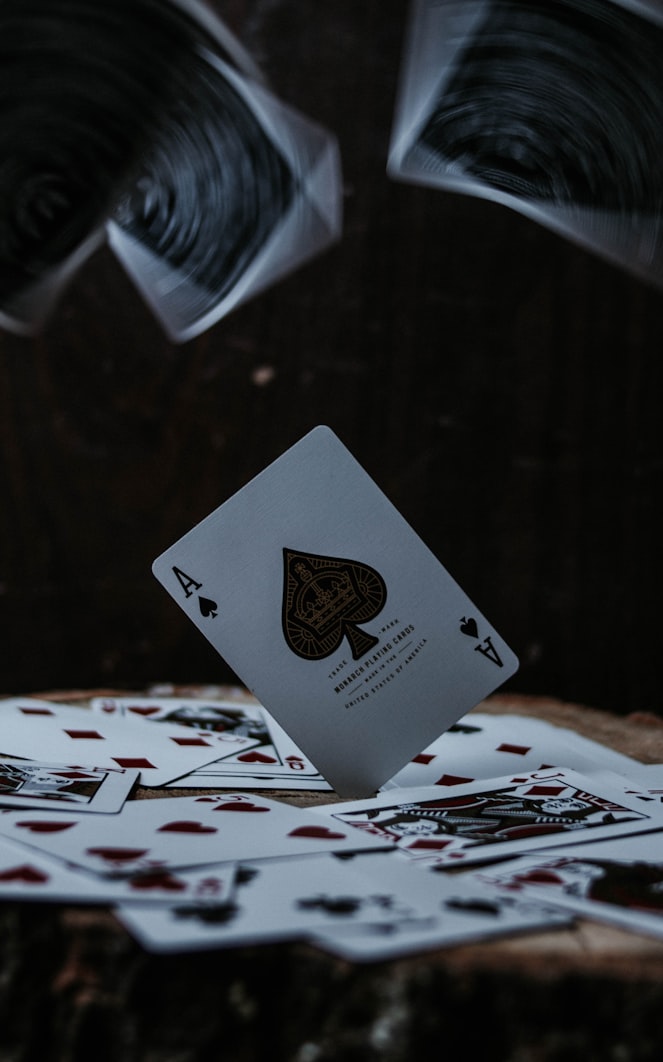
Additionally, diligent gamblers often keep track of their wins and losses, which provides insights into their gaming behaviors and patterns. By analyzing their results, they can adjust their strategies to mitigate risks, thereby improving their overall odds of success. This analytical mindset reveals that while luck is an unpredictable factor, it works in conjunction with knowledge and strategy—a synergy that can lead to more consistent and favorable gambling outcomes.
The Psychological Aspect of Luck
The psychological perception of luck can significantly impact a gambler’s experience and decision-making process. Many gamblers develop a «lucky» mindset, attributing their wins to fate or divine intervention while blaming losses on bad luck. This psychological phenomenon can lead to cognitive biases, where players may convince themselves that they are on the verge of a winning streak or that a substantial payout is imminent. Such mental frameworks often create cycles of hope and despair, influencing betting behavior in ways that can be detrimental to their overall experience.
This emotional connection to luck can trigger riskier gambling behaviors as players chase perceived good fortune. The belief that luck is cyclical may compel gamblers to continue betting even in the face of significant losses, as they hold onto the hope for a turnaround. This detrimental cycle can adversely affect their financial situation, underscoring the importance of maintaining a balanced approach that integrates emotional responses with rational decision-making.
Moreover, some gamblers engage in rituals or superstitions in an attempt to summon good luck. From wearing favorite garments to performing specific actions before placing bets, these behaviors reflect an innate desire to exert control over an inherently unpredictable situation. While such practices may provide temporary comfort, it is crucial for gamblers to recognize that no amount of superstition can change the fundamental odds stacked against them. Understanding this intersection of psychology and luck is vital for anyone participating in gambling activities.
The Balance Between Luck and Skill
Achieving the right balance between luck and skill is essential for sustained success in gambling. While luck may dictate the outcome of individual games, skill becomes increasingly important in scenarios where players can affect results through their strategic choices. For example, in poker, a player’s ability to read their opponents and calculate pot odds can dramatically enhance their game, making luck a less dominant factor in their overall performance. The interplay between these elements creates a competitive environment that rewards skilled players while still allowing for moments of serendipity.
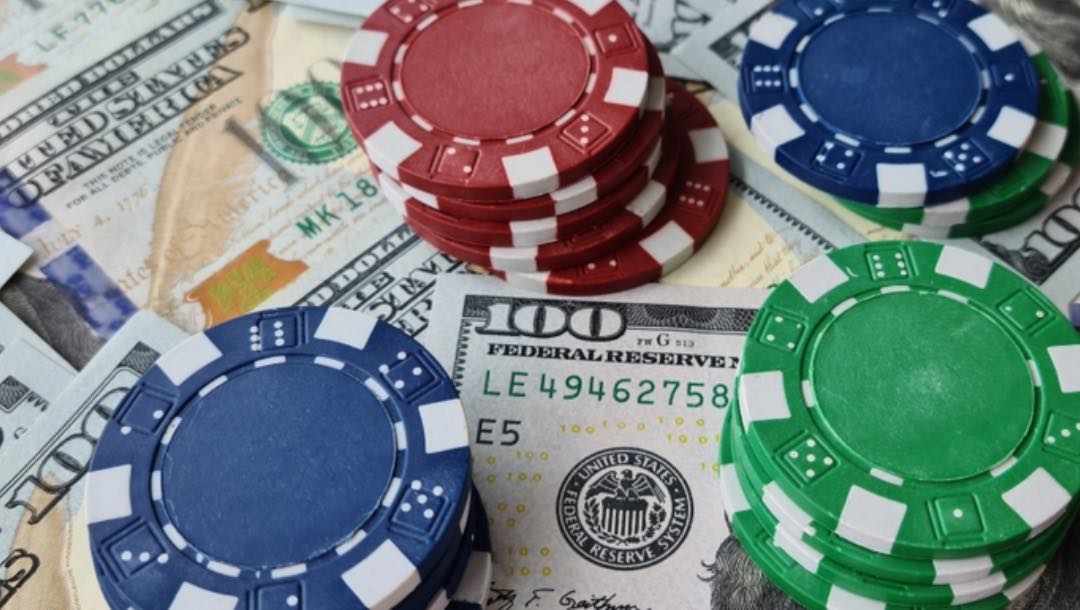
In contrast, games like slots are predominantly luck-based, where players have limited influence over outcomes aside from their choice of machine or bet size. In these instances, the excitement of chance and the allure of potential jackpots drive player engagement. However, relying solely on luck in such games can lead to disillusionment, especially when expectations exceed the realities of random outcomes. Recognizing the disparity between luck-heavy games and those that reward skill can help players manage their gambling approach more effectively.
Ultimately, those who understand the balance between luck and skill can devise a more sustainable gambling strategy. By honing their knowledge of probabilities, practicing specific skills, and maintaining a realistic perspective on luck, players can navigate the gambling landscape with greater insight. This combination of knowledge and emotional resilience can empower individuals to mitigate the risks associated with gambling while maximizing their enjoyment in a responsible manner.
Exploring Resources for Gamblers
For individuals eager to deepen their understanding of gambling, numerous resources are available to enhance both knowledge and strategic approach. Websites, forums, and educational platforms provide insights into game mechanics, odds, and effective strategies. These resources aim to empower players by equipping them with the tools necessary to make more informed decisions and navigate the often overwhelming world of gambling. Accessing credible information can significantly improve a player’s overall experience and success rate.
Moreover, many online platforms offer simulations and practice games, allowing players to experiment with strategies without the financial risks associated with real gambling. This practice can be invaluable, as it helps build confidence and hone skills in a safe environment. Players can take their time to evaluate different games, learn the intricacies of betting patterns, and refine their decision-making processes, all while minimizing their reliance on luck.
Ultimately, making the most of available educational resources can greatly influence one’s approach to gambling. By merging the thrill of chance with well-informed strategies, players can enhance their success and transform their gambling experience into one that is both enjoyable and responsible. Investing time and effort into understanding the complexities of gambling can lead to a more fulfilling pursuit, blending the excitement of luck with the satisfaction of skillful play.